Low Current
Advanced Low Current Contracting Services in Saudi Arabia
When it comes to modern building infrastructures, low current systems have become indispensable. At IDCC MEP contracting company in saudi arabia, we pride ourselves on being a leading low current contracting company in Saudi Arabia. We provide reliable, integrated solutions that enhance security, streamline communications, and improve overall operational efficiency. Our services are designed with your safety and convenience in mind—ensuring that your facility remains secure and well-managed at all times.
In this article, we will explore the world of low current systems, their applications, the benefits they offer, and why partnering with IDCC is the right choice for your project.
What Are Low Current Systems?
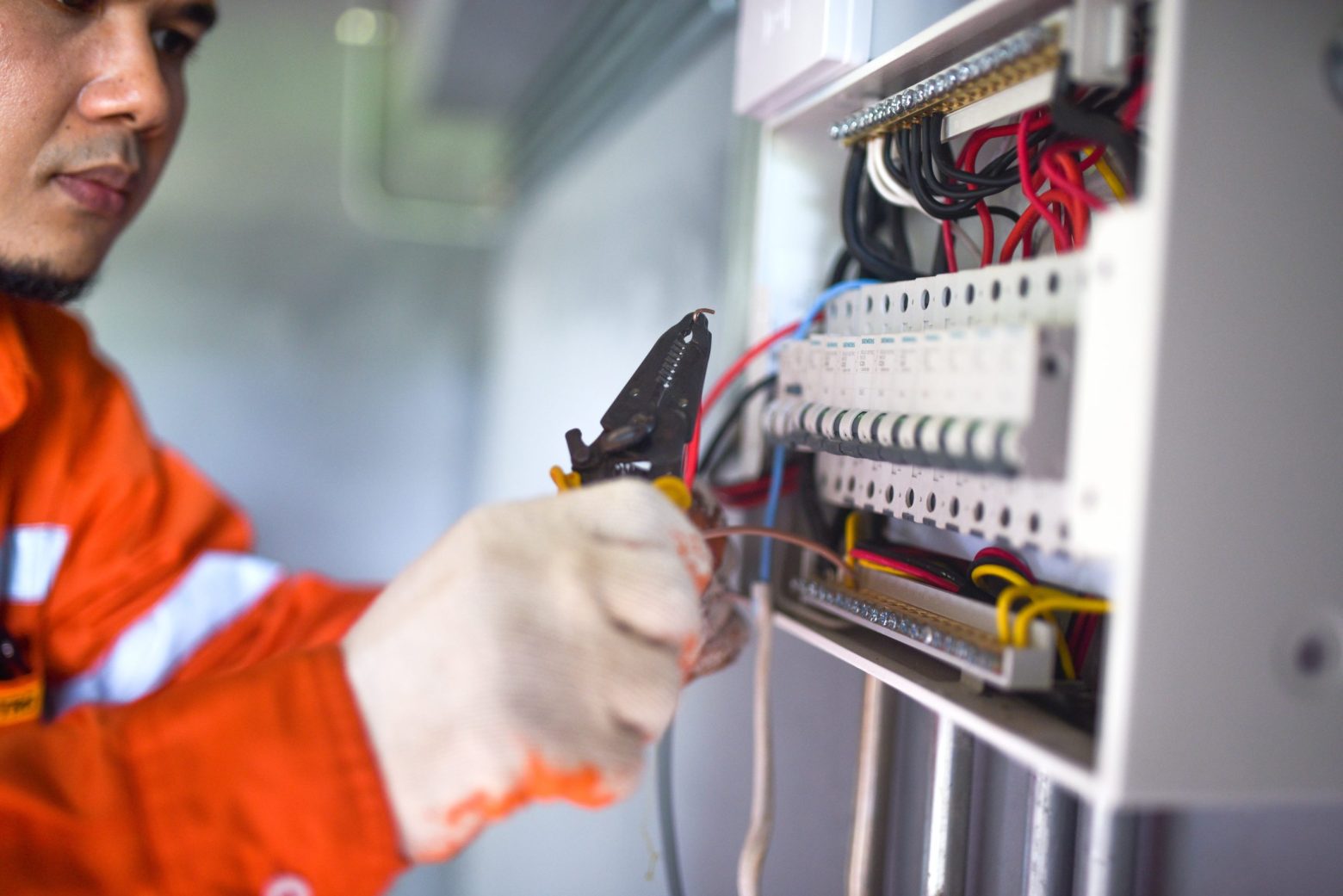
Low current systems refer to electrical systems that operate at a lower voltage than traditional power circuits. They are primarily used for data, signal transmission, and control functions within a building. These systems include components such as fire alarm systems, CCTV surveillance, access control, IP data and telephone networks, and Building Management Systems (BMS).
Key Components of Low Current Systems
- Fire Alarm Systems: Designed for early detection and rapid response to emergencies.
- CCTV & Surveillance Systems: Provide real-time monitoring for enhanced security.
- Access Control Systems: Limit and track entry to secure areas with biometric or keycard solutions.
- IP Data & Telephone Networks: Facilitate seamless communication throughout the building.
- Building Management Systems (BMS): Integrate various building operations like lighting, HVAC, and security into a single platform.
Understanding these components helps to appreciate how low current systems contribute to the smooth operation and safety of your facility.
Applications of Low Current Systems
Low current systems are versatile and can be applied across various sectors. Whether you are managing a commercial complex, industrial facility, or residential community, these systems provide the backbone of modern building management.
Fire Alarm and Emergency Systems
Fire Safety:Low current fire alarm systems are crucial for early warning during emergencies. They integrate seamlessly with sprinklers, emergency lighting, and other safety measures to ensure that occupants are alerted promptly in the event of a fire. This not only enhances safety but also minimizes property damage.
Security and Surveillance Solutions
Enhanced Security:CCTV and surveillance systems offer round-the-clock monitoring of your premises. By deploying high-definition cameras and advanced recording technologies, these systems help deter criminal activities and provide valuable evidence in case of incidents. Additionally, access control systems further secure your facility by limiting entry to authorized personnel only.
Communication Systems
Seamless Connectivity:IP data and telephone networks form the communication backbone of any modern facility. These systems ensure that your team stays connected, which is critical for efficient operations. Whether it’s coordinating across departments or managing emergencies, reliable communication is essential.
Building Management Systems (BMS)
Integrated Control:A Building Management System integrates all your building’s critical systems—such as HVAC, lighting, and security—into one centralized platform. This integration not only simplifies the management process but also enhances operational efficiency, leading to cost savings and improved building performance.
Benefits of Low Current Systems
Low current systems offer a range of benefits that make them a vital investment for any modern facility.
Enhanced Safety and Security
Proactive Protection:By integrating fire alarm, surveillance, and access control systems, low current solutions provide a proactive approach to safety. Early detection and immediate response capabilities ensure that occupants are safe and that potential threats are quickly neutralized.
Improved Operational Efficiency
Centralized Control:A well-integrated BMS allows for centralized management of various building systems. This streamlines operations, reduces manual intervention, and minimizes the chances of human error. The result is a smoother, more efficient operation that saves both time and money.
Cost-Effectiveness and Energy Efficiency
Lower Energy Consumption:Low current systems are designed to operate at low power levels, which translates to lower energy consumption and reduced utility bills. Additionally, their integrated nature means fewer redundancies, leading to further savings on maintenance and operational costs.
Scalability and Future-Proofing
Adaptable Solutions:As your business grows, your building’s requirements will evolve. Low current systems are highly scalable, meaning they can easily be expanded or upgraded to meet new demands. This future-proofing aspect ensures that your investment remains valuable for years to come.